An open letter to the embassies of Albania’s NATO and EU partners, and to their intelligence and security services
by Albatros Rexhaj (Tirana)
Excellencies, colleagues,
You built SPAK. Your governments funded it and trained its prosecutors. You are its sponsors, which is why I am writing to you and not to the Albanian government. You can tell SPAK what serious states do in a case like this.
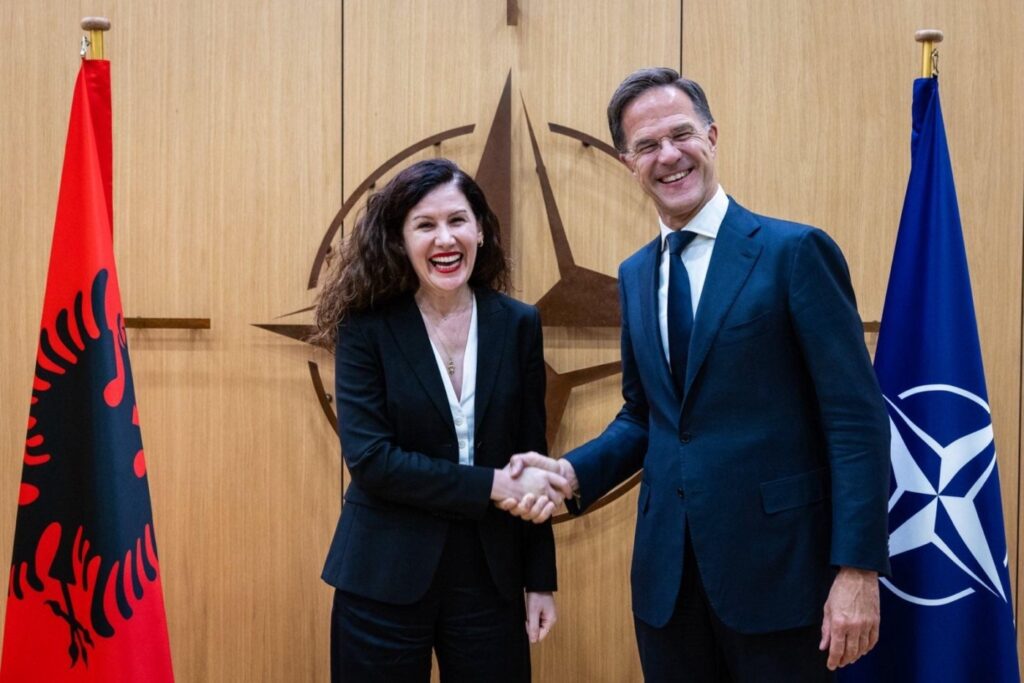
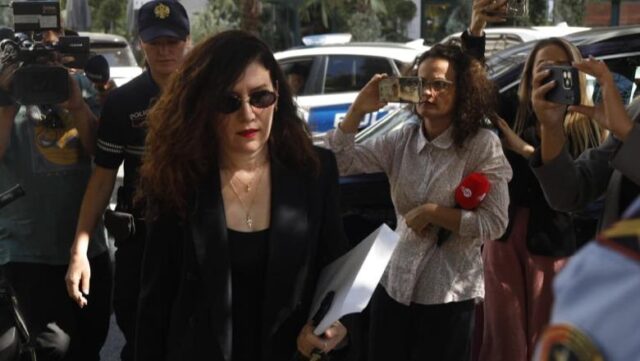
On 21 September the Special Court, at SPAK’s request, put Vlora Hyseni, the director of the State Intelligence Service, under house arrest and suspended her from duty. She was not an ordinary citizen. She was the head of the service that shares intelligence with your services, works with your officers in Albania, and sits at the table with your chiefs.
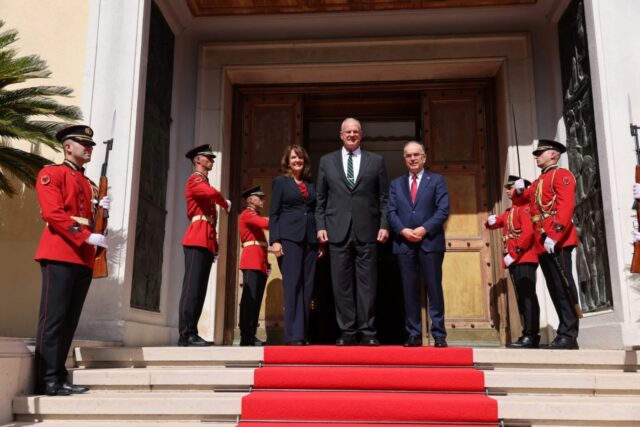
When the measure was issued, she was not in Tirana. She was in Baku, at a conference reported to include the heads of some eighty intelligence services from around the world. Some of them may have been yours. They could read on Albanian portals that their counterpart had been placed under house arrest by her own state. The President of the Republic signed her dismissal afterwards, on the Prime Minister’s proposal, once the court had already acted. The next day, SPAK’s case against her was in the newspapers.
I ask you one question, and I ask each of you to answer it for your own country. What would you have done?
Would your prosecutors have arrested the director of your intelligence service while she sat abroad with foreign chiefs, with your head of state learning of it at the same moment as the public? Would the prosecution’s case have been in the press within a day?
Every communication of an intelligence officer, in SHISH or in any other service, is sensitive by default. Nobody outside the service can know what purpose a contact really served, or which detail of a conversation has value for an enemy service: a meeting time, a form of address, who called whom and how often. The same goes for what the director of a service says, in official minutes or in private. Within a day of her arrest, those details were public: call counts, dates of meetings, forms of address, whom she met, and what she told SPAK about Agasi. We cannot know what other agencies see as value in them. SPAK cannot know it either, and neither can the journalists who printed them. The agencies reading them know, and they will not tell us.
Four days before the arrest, SPAK questioned her. According to the passages now published from the file, she denied any wrongdoing and said that Ergys Agasi was her asset. SPAK’s answer, as published, is that this cannot be true because she never shared that detail with anyone else in SHISH.
Once again, we are in the unknown. A director can decide that a particular asset is handled by her alone and that no one else in the service needs to know. That is how the most sensitive sources are protected. SPAK is in no position to judge whether Agasi was an asset, and its prosecutors have neither the training nor the records for it. Intelligence services deal with criminals all the time, with terrorists, even with enemy operatives, because that is where the information is. That is the craft.
The same file says Hyseni gave Agasi sensitive information. That might well be true. But to establish bona fides with an asset, a handler passes him selected pieces of real information, what the trade calls chicken feed, so that he believes the relationship is worth something. Services do it all the time. For SPAK it can only be foul play. We do not know that, and again, we do not care. Establishing the merits of it requires a special procedure and a special craft.
Then the published passages hint that Hyseni and Agasi were lovers. They might have been. In this trade intimacy is one of the oldest instruments there is, and it cuts both ways. She may have been using him, he may have been using her, or they may have been genuine lovers. We do not know who was working whom, and we do not care. Establishing it requires a special procedure, a confidential one, run by people who know the craft. SPAK’s prosecutors lack that craft, and even if they had it, the media would be the last place to decide it.
Procedure matters. The suspicion here was that a criminal mastermind, a fugitive from justice, had compromised the director of the national intelligence service. I call that treason, whatever the charge sheet says and at whatever level it happened. Nobody can know how far a breach like that goes.
A suspicion of that weight cannot be treated like every other case. From the first day it belongs under the highest confidentiality, with every prosecutor, investigator and clerk on the case following a specific protocol. Before any court was involved, the prosecutors should have gone to the President of the Republic, presented their case, and demanded that the director be suspended or dismissed and placed under security lockdown. The Code did not require it, but responsibility to the state did.
In Albania the order was reversed: the court first, the President after, the newspapers the next morning. A director whom SPAK suspected of being compromised, and had already questioned, kept her post, her access and her clearances, and travelled abroad to meet foreign intelligence chiefs. She came back and surrendered. Had she chosen otherwise, the state could have done nothing about it.
The state’s reputation paid for it as well. Albania suspended the director of its intelligence service while she sat in a meeting with the heads of agencies from other states, outside the country. Your chiefs were in that room, or could have been.
The heaviest cost falls on SHISH. SPAK has damaged the ability of the service to do its job, and that damage will outlast this case by years. Every SHISH officer who must meet a dangerous source tomorrow will ask himself: if they disregarded everything while dealing with the Director, what will they do to me? His activity, his communications, even fragments of them, can end up on the desk of some prosecutor with the same disregard for protocol and sensitivity, and from there in the newspapers. He can refuse to do his duty, and nobody will be able to blame him. More likely he will skip the meeting, avoid the risk, and write reports that protect himself rather than inform the state.
Sources will draw the same conclusion faster. Anyone who talks to SHISH at risk to their own life has just watched the director’s alleged asset become a name on the front pages. They will go quiet, and new ones will not come forward. Your services read the same newspapers and will share a little less with Tirana, without saying so. The new director inherits a service that must protect itself before it can protect the country, and SPAK itself will feel it, because the fight against organised crime you built it for runs on intelligence.
Media, analysts, even some of your own diplomats in Tirana and elsewhere justify everything with the great fight against corruption. It does not work that way. The mission does not justify the means, and how a mission is carried out matters as much as the mission itself. Procedure is paramount. Proper steps are paramount. Every rule-of-law programme your governments have paid for in this country taught that first, and SPAK disregarded all of it.
Who is to say this was not deliberate, part of some hostile design? Your services will ask what no one in Tirana dares to: what guarantee is there that SPAK’s prosecutors are not themselves compromised by a hostile agency? I have no evidence that they are. But a hostile service wanting to destabilise Albania and paralyse its intelligence service with one surgical strike would have wanted exactly this: the director gone, her contacts in the newspapers, her officers frightened, her partners cautious. SPAK asks everyone else to be vetted. It should be able to show who vetted the people who did this.
Whether Vlora Hyseni is guilty or innocent is irrelevant to what I am telling you. She may have lied when she said Agasi was her asset. We do not know that, and frankly we do not care; that is for a court. My quarrel is with the procedure SPAK followed, not with the merits of the case.
This is the most serious oversight SPAK has committed since it was created, and because it is institutional, only SPAK can correct it. Klodian Braho has no other option but to suspend the two prosecutors who handled the case this way, or, if that power is not his, to take the case from them and ask whoever holds it to act. Suspension will not be enough. He also has to find out how the file of the intelligence director reached the newspapers within a day, who handed it over and who made that possible, inside SPAK or outside it, and bring every one of them to court. The law already gives him the tools. Nothing less will restore the balance between institutions or give SHISH back its ability to work.
You are the ones who should press him to act. You built SPAK, you fund it, and your word carries weight in its offices. If you do not, no one should be surprised if the Albanian state acts in its own defence. A state whose intelligence service has been paralysed by its own prosecutors will not wait forever for someone else to repair the damage.
You would not have tolerated this in your own capitals. Please do not ask Albania to tolerate it.
Albatros Rexhaj is an author, playwright, and analyst with a background in national security studies and nearly three decades of experience in political and security affairs.