Three Americans spoke for Washington in the Balkans this week. Only one carried the authority of the United States, and the region barely noticed.
by Ardit Rada (Tirana)
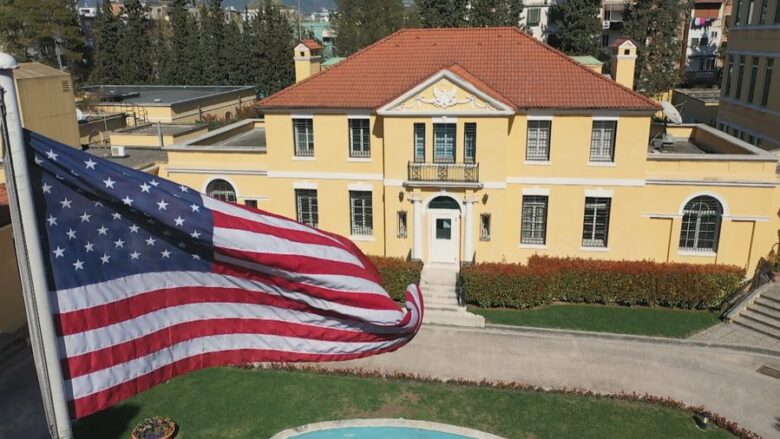
Washington spent thirty years teaching the Balkans that American policy lived in the American embassy. The region has now learned there are other doors, and it is walking through them.
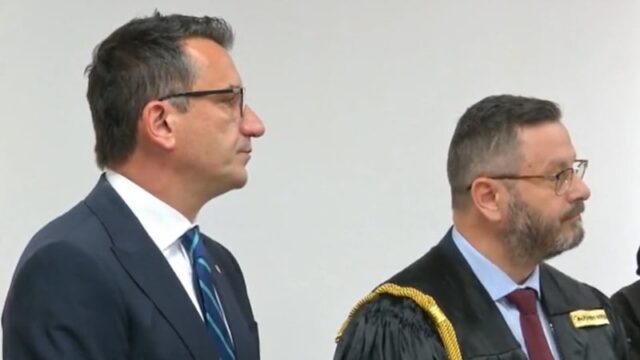
On 16 September a State Department spokesperson told Radio Free Europe that the United States respected the judgment of the Kosovo Specialist Chambers, supported accountability and due process, and wanted the parties to avoid inflammatory rhetoric. That was the position of the United States. It ran to four sentences and was not posted on state.gov.
The same day Richard Grenell called the judgment outrageous, attacked the judges and prosecutor, and asked the Justice Department to defund the court and Kosovo’s parliament to dissolve it. The next evening, on Top Channel, he said he did not think the United States or President Trump would be involved and that Kosovo’s prime minister and parliament should decide.
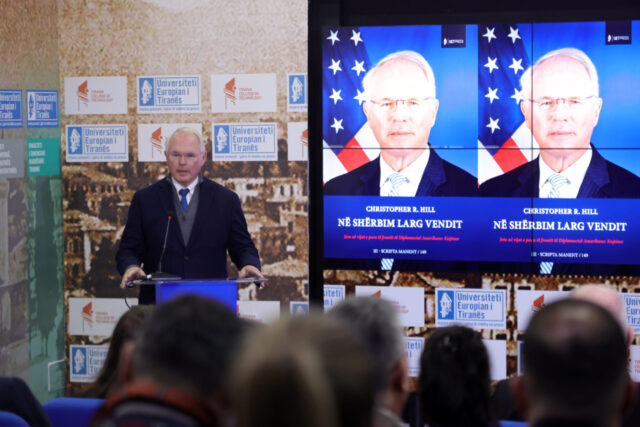
Twenty-four hours later Pastor Mark Burns appeared by video inside Serbia’s National Assembly. The United States, he said, knew about the persecution of Christians in Kosovo, received reports every day, and President Trump did not support it. In July Burns had told Radio Free Europe that his Kosovo visit was not coordinated with the administration and that he travelled as no one’s envoy.
Nothing illegal or mysterious happened in any of this.
America has always had lobbyists, former officials, campaign friends, pastors and people who know people. Governments everywhere cultivate them. The Balkans has simply learned the system. Republika Srpska learned it most literally: Foreign Agents Registration Act records list Dickens & Madson Canada as representing the Republic of Srpska, and the agreement filed with the Justice Department states that independence from Bosnia and Herzegovina is its ultimate goal. Radio Free Europe reported on 23 July that the contract was worth four million dollars. FARA exists so that everyone can see who is paying whom. The lesson the region took from the filing was different.
There is now a secondary market in American authority.
In one market sits the embassy: cables, notes, statements, officials whose names and mandates can be checked and whose words stay on the record. In the other sits proximity. A politician knows someone who knows the President. A pastor has the circle’s ear. A former envoy has a following. An adviser lands without a readout, a photograph is taken, a sentence is spoken, and by evening the headline reads: Washington says. Belgrade understands this. Banja Luka understands it. Pristina and Tirana understand it too.
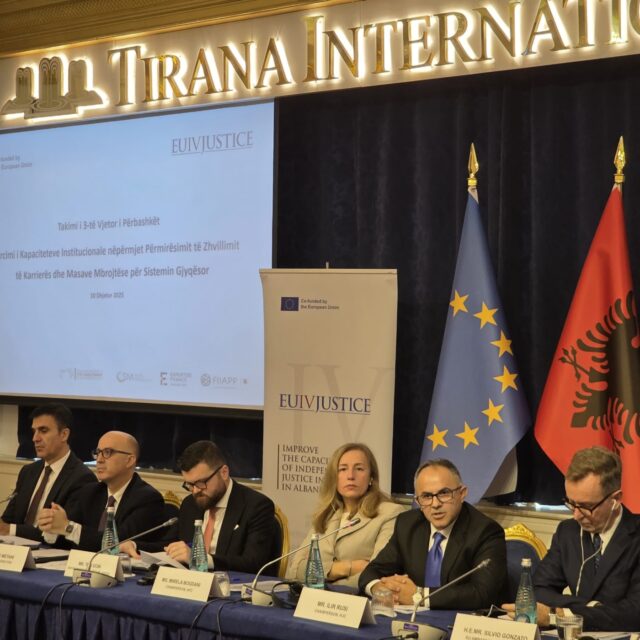
Unconventional diplomacy is not the problem. In April Kimberly Guilfoyle, the American ambassador accredited to Greece, came to Tirana for the signing of a twenty-year LNG agreement. She was outside her country of accreditation and advancing the President’s energy agenda. But there was an ambassador, a public ceremony, named companies, a government counterpart and a text anyone could read the next morning. The mandate was verifiable.
So the question a Balkan government asks is no longer whether Washington supports something. It is which Washington: the spokesperson, the ambassador, the President’s friend, the former envoy, the spiritual adviser, the registered agent, or the man who promises he can get a message to someone who matters. These voices carry unequal authority. They now compete in one information space, and every local political system has an incentive to erase the difference. An embassy statement arrives qualified, negotiated and late enough to survive scrutiny. A private voice arrives at once and says what one audience wants to hear. Guess which one makes television.
The result for American diplomacy is not lost influence but lost interpretive authority. The embassy still knows the policy. What the host country believes America has said is now decided elsewhere. This week the official American position on the Hague judgment existed. A viewer of Balkan television could meet several other Americas before reaching it.
For thirty years an American ambassador entered any room in this region with one enormous advantage: when the ambassador spoke, everyone knew whose government had spoken. That can no longer be assumed. Balkan capitals still need the embassy, of course. The question for Washington is why they believe they need so many other Americans as well, and what that is doing to the meaning of its own voice.